21.01.2015 FEATURE ARTICLE
Role Of Herbal Medicines In Treatment Of Cardiovascular(heart) Disorders. Part 1
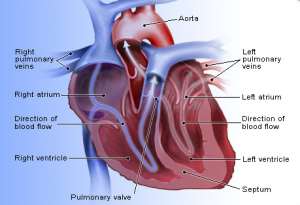
It is estimated that 17.3 million people died from cardiovascular(heart) disorders in 2008 by the world health organization(WHO), representing 30% of all global deaths. Of these deaths, an estimated 7.3 million resulted from coronary heart disease and 6.2 million were due to stroke. The human body is made up of five(5) organ systems clinically of which the cardiovascular system forms part. These organ systems work together enabling man's existence. The cardiovascular system comprises of the heart and blood vessels and functions mainly in transporting blood throughout the body. Cardiovascular diseases or disorders therefore refers to a group of disorders of the heart and blood vessels. These include: Coronary heart disease, Cerebrovascular disease, Peripheral arterial disease, Rheumatic heart disease, Congenital heart disease, Deep vein thrombosis and Pulmonary embolism.
The heart pumps blood(oxygen rich) throughout the body with the aid of blood vessels known as arteries. Its muscles are however supplied blood by an artery called the coronary artery. With coronary artery disease, the artery that supplies the heart muscles with blood becomes diseased. In cerebrovascular disease, the blood vessels that supply the brain with blood becomes diseased, those that supply the extremities( arms and legs) with blood become diseased in peripheral arterial disease. In rheumatic heart disease, the heart muscles and valves are damaged as a result of rheumatic fever ( a complication of throat infection caused by Streptococcal bacteria). There is malformation of heart structure at birth in congenital heart disease. There is formation of blood clot in a type of blood vessel in the leg, called the vein. These clots breakdown into smaller components and move to the heart and lungs causing blockage as seen in deep vein thrombosis and pulmonary embolism.
Blockages that prevent blood from flowing to the heart or brain results from strokes and heart attacks. These blockages are caused by build-up of fatty deposits on the inner walls of the blood vessels that supply the brain or heart. Strokes however can be caused by bleeding from a raptured blood vessel in the brain or from blood clots. Unhealthy diets, lack of exercise, alcohol abuse, and use of tobacco forms the important behavioural risk factors of heart disease and stroke and their effects show up in people as raised blood pressure, raised blood glucose, raised blood lipids or fats and overweight.
Herbal medicines have over the years play an important role in curbing cardiovascular diseases such as stroke, etc. The plant Ginkgo Biloba is widely used in Europe to treat complications of stroke, including memory and balance problems, vertigo and disturbed thought processes. Many studies show that this herb increases blood flow to the brain. It treats stroke as it helps prevent blood clots from developing. Ginkgo Biloba also reduces fragility of tiny blood vessels (capillaries) throughout the body. Extracts of this plant is often prescribed for stroke survivors by European physicians as it is very effective and nontoxic.
Allium sativum(garlic) helps prevent ischemic stroke by reducing blood pressure, lowering cholesterol levels, and preventing clot formation within blood vessels. Garlic is the best anti-clotting herb as it contains nine anticoagulant compounds. It is also a major herb for heart attack prevention because of its blood-thinning effect and its ability to help control high blood pressure. Well researched studies show that taking garlic( raw or as a deodorized oil capsule) reduces dramatically blood clots within vessels allowing improved circulatory function. To be continued………
BENTIL EMMANUEL ASARE
HERBAL MEDICAL STUDENT, FACULTY OF PHARMACY
KWAME NKRUMAH UNIVERSITY OF SCIENCE AND TECHNOLOGY(KNUST), GHANA
bentilemmanuelasare@yahoo.com
233546678401

Comments
Post a Comment