26.12.2014 FEATURE ARTICLE
ARE HERBAL MEDICINES SAFE?
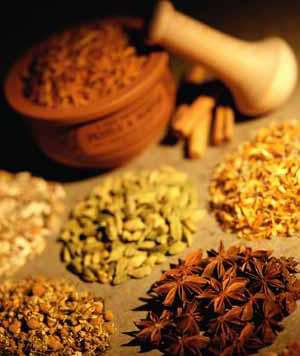
Plants have the ability to synthesize a wide variety of chemical compounds that are used to perform important biological function. At least 12,000 such compounds have been isolated so far; a number estimated to be less than 10% of the total active compound in these plants. Chemical compounds in plant mediate their on the human body through processes identical to those already well understood for the chemical compounds in conventional or orthodox medicine; thus herbal medicines do not differ greatly from conventional drugs in terms of how they work.
The use of plant medicines predates written human history. The study of traditional human uses of plants is recognized as an effective way to discover future medicines. In 2001, researchers identified 122 compounds used in modern medicine which were derived from “ethnomedical plant sources. Many of the pharmaceuticals currently available to physicians have a long history of use of herbal remedies including, aspirin, digitalis, quinine, and opium.
The world health organization(WHO) estimates that 80% of the population of some Asian and African countries presently use herbal medicine for some aspect of primary health care. Studies in the United states and Europe have shown that their use is less common in clinicals settings, but has become increasingly more in recent years as scientific evidence about the effectiveness of herbal medicines have become widely available.
Pharmaceutical drugs typically uses a synthesized version of a plant's active constituent or secondary metabolites. Herbal medical practitioners maintain that an active component can lose its impact or becomes less safe if used in isolation from the rest of the plant. For instance salicylic acid is found in the meadowsweet plant and is used to make aspirin. Aspirin can cause the lining of the stomach to bleed, but meadowsweet naturally contains other compounds that counteract the irritant qualities of salicylic acid. Other instances is seen with quinine which is extracted from barks of Cinchona plant and used widely in the treatment of malaria.
Herbal medicines aim to return the body to a state of natural balance, so that it can start healing itself. Critics argue that the nature of some herbal medicines makes them difficult to administer a measured dose of active constituents. For instance extracts of foxglove plant contain a mixture of digitalis type of active constituent and it is difficult to control the dosage because its therapeutic dose(dose required to bring about treatment) is very close to the toxic dose. Pharmacologists succeeded in preparing a synthetic version whose dosage can be controlled, the blood level measured and an antibody available to reverse the drug's effect when the need arises. Others say taking an herbal remedy or medicine implies taking active constituents that have not been adequately tested, components that have not been identified or tested, and possible contaminants. Another claim is that practitioners claim the treatment for several diseases using a whole plant or plant parts and recently plant products.
Most of these critics have been disproved with the springing up of various plant medicines research centres globally. These centres provide scientific basis on the actions of herbal medicines in humans, confers their safety, efficacy, and quality after conducting several tests similar to the ones employed in conventional medicines such as animal studies. One of such research centres is the Centre for Research Into Plant Medicine, also an agency of the World Health Organisation(WHO) at Akuapem- mampong, Eastern region, Ghana. Also with the introduction of the scientific study of Herbal medicine in some universities globally including Ghana, scientific evidence about the compositions of herbs used for primary healthcare and their actions have been made available. Appropriate methods for effective production of herbal medicines into modern forms such as capsules, tablets, syrups, elixirs, liniments, ointments, etc. are being taught in these universities to help produce safe medicines with reasonable dosage forms using standard reference books like in Pharmaceutical drugs. These universities include: University of East London, Middlesex University, University of Central Lanchashire, Napier University, Kwame Nkrumah University of Science and Technology(Knust), etc.
BENTIL EMMANUEL ASARE
VICE PRESIDENT, GHANA HERBAL MEDICAL STUDENTS' ASSOCIATION(GHEMSA), KNUST.

Comments
Post a Comment