08.08.2015 FEATURE ARTICLE
Adulteration Of Herbal Medicines And Associated Health Implications
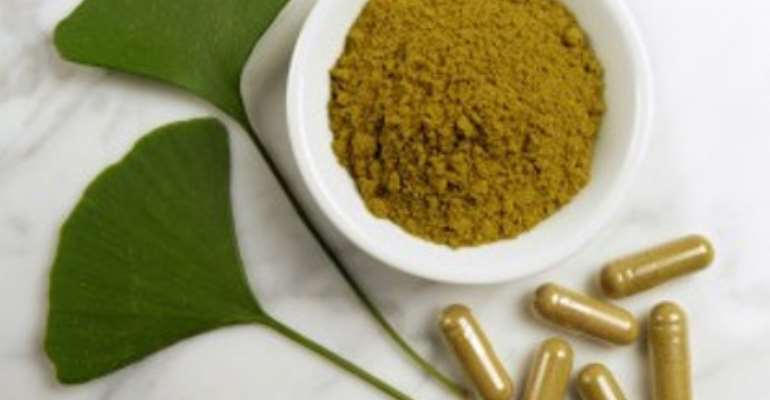
The Herbal industry is considered among the fastest growing industries in Ghana and Africa as a whole. With the quest to provide alternative healthcare and tackle chronic conditions that are unresponsive to orthodox medicines, herbal facilities like clinics and hospitals are established. Most of these facilities produce their own medicines and in addition might manufacture some products for the market. Some herbal centres or companies however deal only in different forms of herbal products.
The fact that the plants used in a formulation are safe does not guarantee the safety of the formulation. Factors such as manufacturing procedures, compatibility of the various plants used (herb-herb interactions), ingredients used, etc may affect the quality and safety of a finished herbal product. Observance of good manufacturing procedures (GMP) or processes reduces contamination and ensures consistency of medicines produced over a long period of time. Poorly prepared herbal medicines may however be contaminated with moulds, fungi, pesticides, heavy metals, dust, rodents, pollen, etc and may therefore lead to serious health complications when consumed although the plants used are safe or known to be safe. Medicinal plants become unsafe for use by virtue of their location and other factors. For instance, plants found growing along roadsides and mining areas usually contain heavy metals. Plants used in a formulation may be substituted with others to increase efficacy or reduce the side effects associated with the use of the formulation but adulteration of herbal medicines however is a deliberate act carried out with the intension to make profit.
Herbal medicines may either be adulterated with low quality plants (substitution of genuine plants with others closely related) or with pharmaceuticals. Adulterants are pharmacologically active, meaning they have biological effects on the body and therefore may potentiate or reduce the action of herbal products on the body with serious health complications later. Pharmaceuticals usually used as adulterants are steroids (corticosteroids), sliming agents, antidiabetics (glibenclamide and metformin), NSAIDS, and sexual enhancement agents (sildenafil, tadafil, thiosildenafil, vardenafil). These medicines have serious side effects when used singly so one can imagine the stress being put on the body when they are added to herbal products (effects of drug-herb interaction) for public consumption. High demand for a particular herbal product with no sustainable source of plants or raw materials used in its production is one of the major contributing factors in the adulteration of herbal medicines with orthodox medicines or pharmaceuticals. Ideally every herbal centre should have a farm or sustained sources for the various medicinal plants used in their formulations/products and not only rely only on plants growing in the wild.
Adulterations possess serious health implications to the body. Drugs such as Sibutramine, and fenfluramine are used treat obesity and have been found in some natural herbal products for weight loss. Sibutramine increases the risk of cardiovascular conditions like increased blood pressure and heart rate. Fenfluramine on the other hand is associated with severe lung and heart valve disease. Natural skin care products have also been found to contain corticosteroids; steroidal prescription drugs used to treat inflammatory conditions, like arthritis, allergies, and skin problems like psoriasis and eczema. Corticosteroids have serious side effects and these include irregular heartbeat, increased blood pressure, stomach ulcer, blood disorders, skin, muscle and bone damage, and nervous system disorders. Antidiabetic drugs like glibenclamide, and metformin have also been found in some herbal products used for the management of diabetes in other countries. Glibenclamide for instance is not recommended for people with decreased kidney and liver function therefore its usage as an adulterant in any herbal formulation may damage both the kidneys and liver in such people. Drugs such as sildenafil, tadafil, and vardenafil have been found in herbal products for sexual enhancement. Increased risk of side effects like heart attack, stroke, chest pain, high blood pressure, and abnormal heart beat are associated with the usage of these drugs in people with heart problems. Other side effects include headache, facial flushing, indigestion, dizziness, abnormal vision and hearing loss.
In summary adulteration of herbal medicines with pharmaceuticals may cause multiple organ failure, stroke, liver and kidney damage, among others. The Food and Drugs Authority (FDA) should from time to time conduct post market surveillance studies on all registered herbal products available in pharmacies and herbal shops across the country to help curb adulterations and the associated health complications.
BENTIL EMMANUEL ASARE
PRESIDENT, GHANA HERBAL MEDICAL STUDENTS’ ASSOCIATION (GHEMSA)
KWAME NKRUMAH UNIVERSITY OF SCIENCE AND TECHNOLOGY
+233546678401
bentilemmanuelasare@yahoo.com

Comments
Post a Comment